Keeping Vehicles Running Smoothly With Automotive Care

The automotive industry plays a crucial role in modern life, providing transportation, convenience, and mobility for millions of people. From personal vehicles to commercial fleets, maintaining automotive systems is essential to ensure safety, efficiency, and longevity. Proper care, timely maintenance, and an understanding of common automotive issues can save vehicle owners both time and money while enhancing performance and reliability.
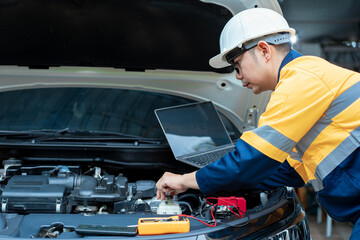
automotive

The Importance of Automotive Care

Vehicles are complex machines with numerous interconnected systems, including the engine, transmission, brakes, suspension, and electronics. Regular automotive care ensures that these systems function properly and prevents unexpected breakdowns. Key reasons to invest in automotive maintenance include:

  • Safety – Well-maintained vehicles reduce the risk of accidents caused by brake failure, tire blowouts, or engine malfunctions.
  • Reliability – Routine maintenance prevents unexpected breakdowns, keeping drivers on the road with confidence.
  • Performance – Clean engines, properly inflated tires, and well-lubricated components improve fuel efficiency and driving performance.
  • Longevity – Regular servicing extends the life of the vehicle, delaying costly replacements.
  • Resale value – Vehicles that are well-maintained retain value and attract potential buyers when it’s time to sell.

Automotive care is an investment in safety, efficiency, and long-term savings.

Common Automotive Issues

Despite regular use and proper care, vehicles may experience various issues over time. Recognizing common problems helps drivers address them promptly and avoid more serious damage:

  • Engine problems – Overheating, rough idling, loss of power, or strange noises may indicate engine issues requiring attention.
  • Transmission issues – Difficulty shifting gears, slipping, or unusual noises can signal problems with the transmission system.
  • Brake problems – Squealing, grinding, or reduced responsiveness may indicate worn pads, rotors, or fluid issues.
  • Electrical issues – Malfunctioning lights, dead batteries, or dashboard warning lights may point to electrical system problems.
  • Tire and suspension issues – Uneven tire wear, poor alignment, or shaky handling can compromise safety and comfort.
  • Fluid leaks – Oil, coolant, or brake fluid leaks can cause serious damage if left untreated.

Prompt attention to these issues ensures vehicles remain safe, reliable, and efficient.

Routine Maintenance Practices

Preventive maintenance is the cornerstone of effective automotive care. Regular checks and servicing help identify problems early and maintain optimal performance. Essential maintenance tasks include:

  • Oil and filter changes – Regular oil changes keep engines lubricated, preventing wear and overheating.
  • Brake inspections – Checking brake pads, rotors, and fluid ensures reliable stopping power.
  • Tire maintenance – Monitoring tire pressure, rotation, and alignment improves safety and fuel efficiency.
  • Battery care – Inspecting battery terminals and voltage prevents unexpected failures.
  • Fluid checks – Maintaining proper levels of coolant, transmission fluid, brake fluid, and windshield washer fluid is essential.
  • Air filter replacement – Clean air filters improve engine efficiency and cabin air quality.
  • Regular servicing – Following manufacturer-recommended service intervals keeps the vehicle in top condition.

Consistent maintenance reduces the risk of major repairs, improves efficiency, and prolongs vehicle life.

Automotive Inspections

Periodic inspections are crucial to identify hidden issues before they become significant problems. Professional mechanics perform comprehensive checks of:

  • Engine and transmission systems
  • Brakes and suspension components
  • Exhaust systems
  • Electrical systems and lighting
  • Steering and alignment
  • Cooling and heating systems

Thorough inspections allow vehicle owners to address issues proactively, avoiding costly repairs and maintaining peak performance.

Benefits of Professional Automotive Services

While some routine tasks can be performed by vehicle owners, professional automotive services provide expertise, tools, and precision that ensure optimal results. Benefits include:

  • Accurate diagnostics – Technicians can pinpoint problems that may not be apparent during casual inspection.
  • Proper tools and equipment – Advanced machinery and diagnostic tools allow for precise repairs and servicing.
  • Expert repairs – Trained professionals ensure that repairs are performed correctly and efficiently.
  • Safety compliance – Professionals adhere to safety standards, protecting drivers, passengers, and the vehicle.
  • Time-saving – Skilled technicians complete maintenance and repairs quickly, minimizing inconvenience.

Professional services provide peace of mind while maximizing the reliability and longevity of vehicles.

Fuel Efficiency and Performance

Well-maintained vehicles not only run smoothly but also operate more efficiently. Proper tire pressure, clean filters, and timely oil changes reduce fuel consumption, saving money and reducing environmental impact. Engine tuning, alignment adjustments, and attention to driving habits further enhance efficiency and performance.

Emergency Automotive Services

Unexpected breakdowns, flat tires, or mechanical failures can occur at any time. Having access to reliable emergency automotive services is critical for safety and convenience. Emergency services may include:

  • Towing and roadside assistance
  • Battery jump-starts or replacements
  • Flat tire repair or replacement
  • On-site diagnostics for engine or electrical issues

Preparedness and access to professional help minimize stress and prevent further damage during emergencies.

DIY vs. Professional Care

While vehicle owners can perform basic tasks such as checking tire pressure, replacing wiper blades, or monitoring fluid levels, complex repairs and diagnostics require professional expertise. Attempting major repairs without proper knowledge can lead to further damage, safety risks, and increased repair costs. Professionals provide accuracy, reliability, and long-term protection for vehicles.

Long-Term Vehicle Ownership

Consistent care, timely repairs, and attention to preventive maintenance are key to enjoying long-term vehicle ownership. Well-maintained vehicles:

  • Retain higher resale value
  • Experience fewer breakdowns
  • Operate efficiently with reduced fuel costs
  • Provide safer and more comfortable driving experiences
  • Have a longer operational lifespan

Investing time and resources in automotive care ensures that vehicles remain reliable and efficient for years.

Automotive care is essential for maintaining safety, performance, and value in every vehicle. Routine maintenance, inspections, timely repairs, and professional services help prevent issues, enhance efficiency, and extend vehicle life. From engine performance to brake reliability and tire maintenance, every aspect of automotive care contributes to safe and enjoyable driving.

By prioritizing proper maintenance and relying on skilled professionals when needed, vehicle owners can protect their investment, save money, and ensure dependable performance on the road. Whether for personal or commercial vehicles, comprehensive automotive care is the key to keeping life moving smoothly and safely.
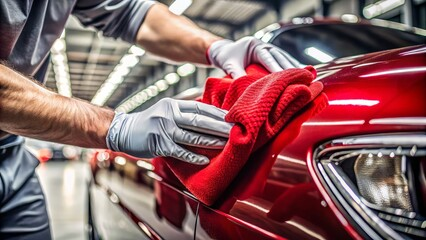
How to Care For Your Vinyl-Wrapped Car

Vinyl Wraps Denver

A car wrap is a big investment. If you want yours to last, proper maintenance is key.

Washing your wrapped vehicle often will help it retain its appearance longer. However, it is important to use the right products. Avoid waxes and other substances that make surfaces shiny as they can harm matte vinyl. Contact Vinyl Wraps Denver for more details.

Do? Clean Regularly

Keeping your vehicle wrapped clean helps it stay vibrant and eye-catching. It also protects the wrap from environmental pollutants and chemicals that can damage it over time.

When cleaning a vinyl car wrap, it is important to use gentle products and avoid abrasive materials that could scratch the surface. It is also best to wash the wrap by hand rather than using an automatic car wash, as this will help prevent any scratches.

It is also critical to clean off contaminants as soon as they occur. Bird droppings, tree sap, and gasoline spills are just a few examples of substances that can stain a vinyl wrap if left on for too long. If you notice any of these contaminants on your vehicle, be sure to remove them immediately by scrubbing with a soft cloth and waterless soap or denatured alcohol.

Vinyl is much less dense and substantially more porous than paint, making it easier for acidic contaminants to stain it. It is also more likely to stain from road contaminants like salt and sand, as well as weather-related substances like rain, snow, and hail. It is best to wash your vehicle regularly with a mild, pH-neutral automotive soap and rinse thoroughly. Ideally, you should rinse your car in shade and avoid direct sunlight, as this can cause water spots or uneven drying.

While you should not polish your vinyl wrap, some solid color cast wraps can be polished with the same compounds used to polish paint. However, it is crucial to discuss this with your installer before attempting any polishing.

A vinyl vehicle wrap is an investment. It can last up to 10 years or more when properly cared for, but it is important to follow the above tips to ensure a long lifespan. Regular maintenance can also help identify and address issues before they become major problems, such as bubbling or lifting.

To keep your wrap looking its best, be sure to contact Jay the Wrap Specialist for all your professional wrapping and detailing needs. Our team of experienced professionals can help you select the perfect vehicle wrap for your style, budget, and lifestyle, and our installation process is second to none. Contact us today to get started!

Do? Apply Sunscreen

A wrap can withstand quite a lot, but prolonged exposure to direct sunlight will fade the colors just like a standard paint job. In addition, the sun’s UV rays can cause damage to the vinyl material and cause it to crack and peel, leaving a less than ideal surface. To avoid this, apply a UV vinyl protectant to your wrap. These products are made to shield the wrap from harmful UV rays, and they can also help your car maintain a brighter, smoother appearance.

It’s important to wash your car regularly, especially if it’s outdoors and in the sun a lot. The dirt and pollution that builds up on the surface of your vehicle can wear it out, making it look dull or even cracked. A good rule of thumb is to wash your car once a week using a soap that’s safe for vinyl, and be sure to rinse it completely. Be careful when using a pressure washer, as high-pressure water can harm seams and push moisture underneath the wrap’s edges, potentially leading to peeling and degradation.

You should also steer clear of taking your car through an automatic car wash, as the chemicals used inside these washes are often too harsh for vinyl. Likewise, bringing your car through a brush wash can cause the brushes to lift the edge of the wrap, damaging it in the process. If you must use a car wash, try to go with a touchless model, as this is the most gentle on your vehicle’s paint and wrap.

Finally, you should park your vehicle in the shade whenever possible to prevent prolonged exposure to the sun. This is especially important if you drive a vehicle in a climate that experiences extreme summer weather. Be particularly careful about parking under trees, as this can lead to tree sap, bird droppings and other hard-to-remove contaminants on the wrap.

By following these simple maintenance tips, you can get the most out of your vinyl-wrapped vehicle. While most of these are the same steps that you would take to care for a vehicle’s paint job, they can make a big difference in your wrap’s longevity.

Do? Park in the Shade

Car wraps are a great way to get your business noticed by countless customers. Unlike other forms of advertising that can cost a fortune, custom vehicle wraps are a one time investment that can pay for itself in no time. However, just like any other investment a vehicle wrap requires special care to keep it looking its best.

Two important points that need to be stressed about vehicle wrap care are surface protection and washing or cleaning. These are just as important for a wrapped car as they are for a paint job but are even more crucial given the softer nature of vinyl.

For instance, a quality ceramic coating can help protect your wrap from surface scratches while also making it easier to clean. It will be much more tolerant of UV rays and will repel road contaminants and hard to remove staining materials such as bug splatter, bird droppings, tree sap, and pollen. This will save you a lot of time during your regular car wash routine and greatly reduce the risk of your wrap being damaged by harsh chemicals.

Do? Store in the Garage

Practicing mindful parking habits is crucial when it comes to preserving the longevity of vinyl wraps. This includes minimizing the risk of abrasions caused by shopping carts and other vehicles. Additionally, it is important to park in shaded areas to reduce sun exposure that can cause fading over time. Parking in the garage is ideal, but if this is not an option for you then using a car cover to protect the vehicle is a good alternative. When parked outside, it is also a good idea to avoid parking near trees due to the potential for tree sap or bird droppings that can leave hard-to-remove stains on the vehicle wrap.

When it comes to cleaning your vinyl-wrapped car, regular washing is a must to keep it looking pristine. However, it is important to use a mild and pH-balanced cleaning solution that is safe for your vinyl wrap. Choosing cleaners that contain harsh chemicals may cause damage to the surface of your wrap and can result in discoloration or peeling over time. Be sure to always test any new cleaning solutions on a small area of your vinyl wrap before using them to ensure they won’t damage it.

If your vinyl wrap has tough stains or contaminants that normal cleaning products can’t remove, it is recommended to soak them for a few minutes in very warm water and then rinse the car clean. For particularly stubborn stains, consider using specialized vinyl wrap cleaners that are recommended by professionals to prevent damage to the material. Once your wrap is clean, always be sure to use a squeegee or chamois to dry it to minimize water spots and ensure that the wrap is completely dry before exposing it to direct sunlight.

Overall, a custom vehicle wrap is an excellent investment that can provide a long-lasting and cost-effective advertising opportunity for your business. With proper care and attention, you can be assured that your wrap will retain its pristine appearance for years to come. By following these simple do’s and don’ts, you can guarantee that your vinyl vehicle wrap will last for the long term, and that it will continue to attract the attention of customers and potential clients.